


 FREE + PRACTICAL
Join Practical Tools Explained and get practical website and automation tips that help small businesses capture more leads, follow up faster, and waste less time on manual work.
No fluff. No spam. Just useful advice for small business owners who want better systems and more revenue.
Stop losing leads to slow websites and manual tasks. Get a complete Website and Workflow Checkup for just $97. Start Here→
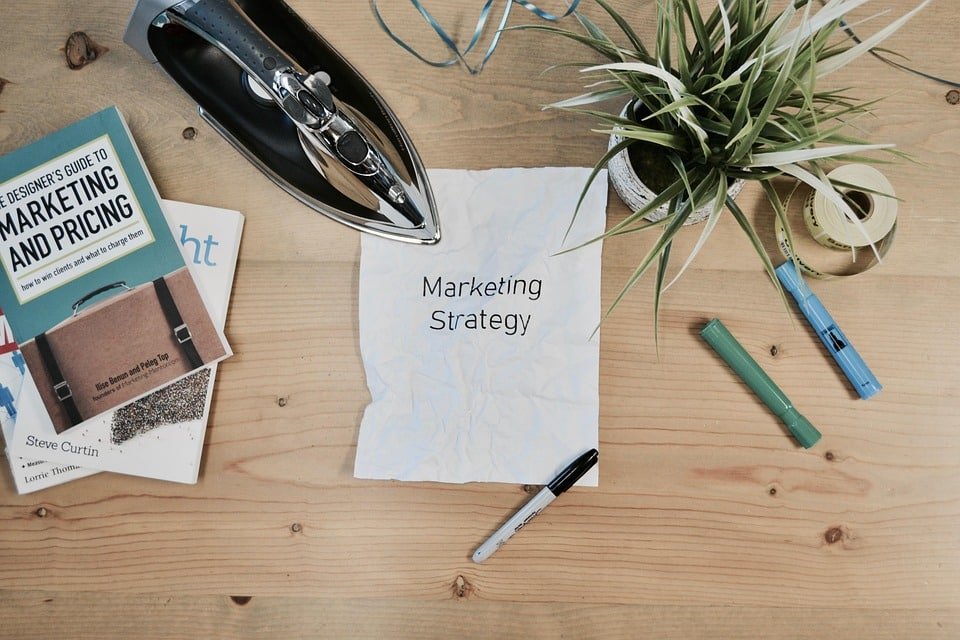
Every small business owner knows the struggle—you’re busy managing day-to-day operations, but things slip through the cracks. Leads go cold, deadlines are missed, and decisions about tools often lead to wasted time and resources. Choosing the right tools can either streamline your operations or create more chaos, making it crucial to navigate this landscape carefully.
This article will help you identify the essential tools that every small business needs. You’ll discover how to improve workflows, capture more leads, and ensure that your systems are working for you, not against you.
One of the biggest challenges small businesses face is managing projects effectively. Without a clear system, tasks can easily pile up, leading to confusion and missed deadlines.
Project management tools like Trello, Asana, or Monday.com allow teams to organize tasks, set deadlines, and collaborate efficiently. These platforms help keep everyone on the same page, making it easier to track progress and delegate responsibilities.
Consider how a clear project timeline can improve accountability and morale. Streamlining this process can lead to improved productivity and a better work environment.
Your relationship with your customers is vital, and a CRM system can enhance that connection. A powerful CRM, like HubSpot or Salesforce, allows you to manage interactions, track sales, and analyze data to improve customer relationships.
With a CRM, you can follow up with leads faster, categorize customers, and automate tasks such as email follow-ups and appointment reminders. This helps ensure no lead gets overlooked, allowing you to maximize conversion opportunities.
When setting up your CRM, think about your specific needs. Are you looking for a simple contact management solution, or do you need something more robust with marketing automation? Customizing your CRM setup can lead to a smoother user experience and more immediate returns.
Catching potential leads is only half the battle; capturing them effectively is where many small businesses struggle. Whether through landing pages, social media, or email signups, having a streamlined lead capture system is key.
Using tools like Leadpages or ClickFunnels can help create optimized landing pages that drive conversions. These platforms can integrate with your email marketing systems to ensure that every lead gets nurtured appropriately.
Don’t overlook your website’s contact forms. Ensuring your forms are easy to fill out and user-friendly can drastically increase the quantity of leads you capture. A well-designed lead capture system can be the difference between a potential customer and a missed opportunity.
Email marketing remains one of the most effective ways to engage with your customers. Tools like Mailchimp or Constant Contact not only help design compelling emails but also provide analytics to track performance.
An effective email follow-up workflow can keep your brand at the forefront of your customers’ minds, drive repeat business, and educate prospects about your services. By segmenting your email list, you can send targeted messages that resonate with specific groups, enhancing engagement.
Consider setting up automated email sequences for new subscribers. A warm welcome email followed by curated content keeps your audience engaged and highlights your expertise.
When implementing new tools, small business owners often overlook critical details. One major pitfall is not taking the time to train yourself and your team on new software. A tool can only be effective if everyone knows how to use it properly.
Another mistake is neglecting to regularly evaluate the tools you are using. Subscriptions can become unnecessary as your business evolves, leading to wasted expenses. Periodically assessing your current tools in the context of your changing needs is vital for sustainable growth.
Finally, trying to use too many tools at once can complicate workflows instead of simplifying them. Focus on choosing a few essential tools that integrate well together and support your core objectives.
Implementing even a few small changes can yield big results. Start by automating some of your routines through your project management or CRM system. This can save time and reduce confusion.
Next, make sure your systems are integrated. For instance, link your email marketing platform with your CRM for seamless communication. This ensures your marketing efforts are directly informed by customer interactions.
Lastly, consider using a booking system. Tools like Calendly or Acuity Scheduling can make scheduling meetings much easier for both you and your clients, reducing back-and-forth emails.
Choosing the right tools is an ongoing process, but starting with a solid foundation can set you on the right path. Assess your current operations, identify areas that could benefit from improvement, and consider how the tools mentioned can enhance your workflows.
If you need a little guidance, do not hesitate to seek out resources that can provide practical setup help for your business. You can get started with Practical Tools Explained to streamline your systems effectively and ensure you have what you need to succeed.
What tools do I need to manage my small business effectively?
Essential tools include project management software, CRM systems, lead capture tools, and email marketing platforms. Each serves a unique purpose that contributes to efficiency and effectiveness.
How can I improve customer follow-up processes?
Implement a CRM system to track customer interactions and develop automated email follow-up workflows to ensure timely communication with leads and clients.
Is it better to use all-in-one software or specialized tools?
This depends on your business needs. All-in-one solutions can simplify management, but specialized tools might offer better features tailored to specific tasks.
How often should I reassess my business tools?
You should evaluate your tools at least every six months or whenever you notice a change in your business needs or team size to ensure optimal performance.
Can automation really save time in my small business?
Yes, automated processes can significantly reduce manual tasks, allowing you to focus on higher-value activities that drive your business forward.